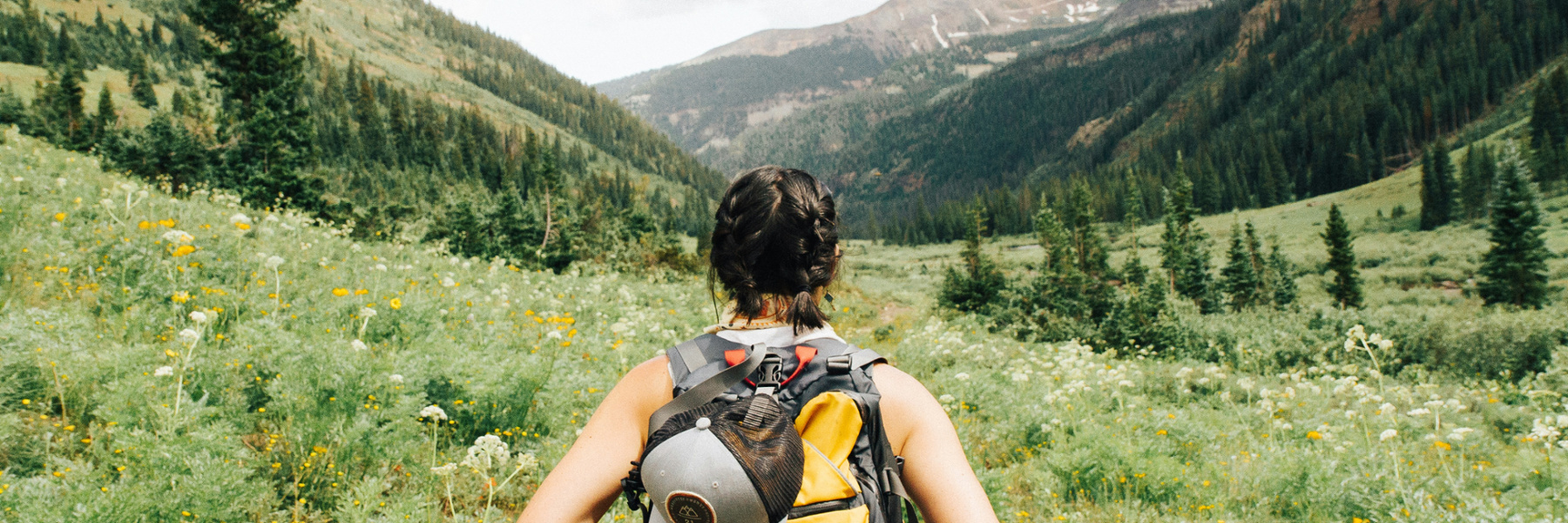
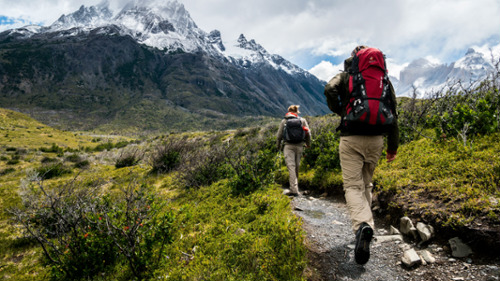
Few things compare to hiking Mount Rainier on a clear day. The views at Paradise, Sunrise, and Panorama Point make every steep climb worth the effort. Wildflower meadows, alpine lakes, and breathtaking mountain scenery draw thousands of hikers to the trails each year, especially during the warmer months.
But a sudden toothache halfway up the mountain can quickly turn an exciting adventure into a miserable experience. Many hikers do not realize that elevation changes, physical exertion, and untreated dental problems often work together to trigger serious tooth pain on the trail. A small cavity, cracked tooth, loose filling, or hidden infection that feels manageable at home may become impossible to ignore once you gain elevation.
As you climb higher, changes in air pressure can increase sensitivity and cause trapped air inside damaged teeth to expand. At the same time, strenuous hiking increases blood flow and inflammation, making existing dental issues throb even more intensely. What starts as mild discomfort at the trailhead can become sharp, distracting pain several miles into your hike.
Before you lace up your boots and head out from Renton for your next hiking trip, scheduling a dental checkup may save your adventure. Catching dental problems early helps reduce your risk of needing emergency dentistry treatment after your time on the mountain.
The Science of “High-Altitude” Toothaches
Pressure and Pockets
As you climb to higher elevations, air pressure changes. Small pockets of trapped air inside a cavity, a cracked tooth, or beneath an old filling expand as elevation increases. This process creates pressure inside the tooth, which often leads to sudden pain.
Many hikers first notice discomfort while driving up to Paradise at 5,400 feet or Sunrise at 6,400 feet. What starts as mild sensitivity can quickly become sharp, throbbing pain during the climb toward Panorama Point or other higher elevations. Even tiny cavities that do not cause symptoms at sea level may react painfully once pressure changes affect the tooth.
Exertion vs. Inflammation
Steep hikes also increase heart rate and blood pressure, according to the American Heart Association. Your body works harder as you climb, especially during strenuous uphill sections. If you already have inflammation or a developing infection inside a tooth, increased blood flow often makes the pain pulse harder.
That throbbing sensation many hikers describe usually signals inflammation inside the tooth or surrounding tissue. Unfortunately, physical activity tends to amplify the discomfort instead of helping it settle down.
The Pre-Hike “Summit Checkup”
Follow the 2-Week Rule
One of the best ways to avoid dental emergencies on the trail is scheduling a dental checkup at least two weeks before your trip. Preventive dentistry helps identify problems before they interfere with your plans.
The extra time also allows your mouth to heal if you need a filling, crown adjustment, or other treatment before your hike. Waiting until the last minute leaves very little room to recover comfortably.
Catching the “Silent” Cavity
Many cavities remain painless in the early stages. That does not mean the tooth is healthy. During a dental checkup, X-rays help your dentist detect small areas of decay, tiny cracks, or air pockets hiding beneath fillings. These “silent” problems often become extremely noticeable once you gain elevation. Catching them early helps prevent painful surprises on the mountain.
Preventive dentistry gives hikers peace of mind before they hit the trail.
Essential Gear: Your DIY Dental Emergency Kit
Even with preparation, unexpected problems can still happen. Adding a few dental items to your hiking emergency kit helps you manage discomfort until you return home or reach emergency dentistry care.
-
Temporary Filling Material: Temporary dental filling kits seal exposed cavities or lost fillings until you can visit a dentist. These products help reduce sensitivity and protect the tooth from debris.
-
Individual Salt Packets: Salt mixed with warm water creates a simple rinse that helps clean irritated areas and reduce bacteria around painful gums or teeth.
-
Sterile Gauze: Gauze helps control bleeding or protects irritated tissue if a broken tooth cuts the inside of your mouth.
-
Clove Oil or Benzocaine: Clove oil and over-the-counter numbing gels temporarily reduce tooth pain. These products provide short-term relief while hiking back down the trail.
-
Anti-Inflammatories: Ibuprofen or other anti-inflammatory medications help reduce swelling and relieve throbbing discomfort caused by inflamed teeth or gums.
Trail-Side Triage: Managing Pain at Elevation
The Descent “Cure”
Sometimes the fastest way to reduce altitude-related tooth pain is simply descending to a lower elevation. As pressure decreases, trapped air inside the tooth may stop expanding, which often reduces discomfort. If pain suddenly intensifies higher on the trail, heading downhill may help relieve symptoms fairly quickly.
Keep It Clean
Food particles trapped around a damaged tooth often make pain worse. Rinsing gently with water or a saltwater solution helps remove debris and keeps the area cleaner until you can seek treatment. Avoid chewing on the painful side of your mouth during the hike.
Know Your Limits: When the Hike Is Over 
Some dental problems require immediate attention. Severe pain affects concentration, balance, and decision-making on the trail. Continuing a difficult hike while distracted by intense tooth pain increases your risk of injury.
Watch for serious warning signs, including:
- Fever
- Facial swelling
- Difficulty swallowing
- Pus or drainage
- Pain so severe you cannot focus on your footing
These symptoms may indicate a serious dental infection that requires emergency dentistry treatment as soon as possible. Turning around does not mean failure. Protecting your health always matters more than reaching the summit.
Protect Your Smile Before Your Next Adventure
Mount Rainier offers incredible hiking experiences, but dental pain can quickly derail your plans. A simple dental checkup before your trip helps identify hidden issues before elevation and exertion turn them into emergencies.
At your local Renton dental office, preventive dentistry plays an important role in keeping patients comfortable both on and off the trail. Addressing small dental problems early helps you avoid unexpected pain, emergency dentistry visits, and interrupted adventures.
Before your next mountain hike, make your oral health part of your preparation checklist. Your future self will thank you somewhere near the summit!